Here is a number that should stop every boardroom discussion on sustainability in its tracks: an electric vehicle charged on India’s coal-dominant grid reduces lifetime greenhouse gas emissions by only 19%–34% compared to a petrol car. This highlights a critical gap in any sustainability strategy: the need to measure real-world environmental impact, not just set ambitious goals.
In Europe, where the grid is cleaner, the same vehicle delivers a 66%–69% reduction. The car is unchanged, as is the battery. The promise remains the same. Yet, the result is completely different. Nobody monitored the system behind the product, and the gap went unchallenged.
This is the story of sustainability in 2026. The ambition is real. The commitments are loud. The Sustainable Development Goals (SDGs), particularly SDG 7 (Affordable and Clean Energy), SDG 12 (Responsible Consumption and Production), and SDG 13 (Climate Action), set clear targets. Corporate ESG reports now run into thousands of pages.
Governments have signed the Paris Agreement. Billions of dollars have been deployed. And yet, the outcomes are falling short of the promises because many organizations treat a sustainability strategy as a set of commitments rather than a framework for measuring results.
Sustainability is a never-ending process. It does not end when a solar farm is commissioned, when an EV rolls off the assembly line, or when a bioplastic label is printed on a package. It only works when every stage from raw material extraction to end-of-life disposal is continuously tracked, measured, and course-corrected. Without that discipline, sustainability becomes a branding exercise with a carbon footprint hiding behind it.
This article lays out the uncomfortable realities across five critical domains of the green transition: electric vehicles, renewable energy, bioplastics, critical minerals, and biofuels. For each, it presents the risk that most organisations are ignoring, followed by the monitoring and mitigation strategy that separates real progress from performative commitments.
Electric Vehicles: The Unmonitored Carbon Debt
The Risk
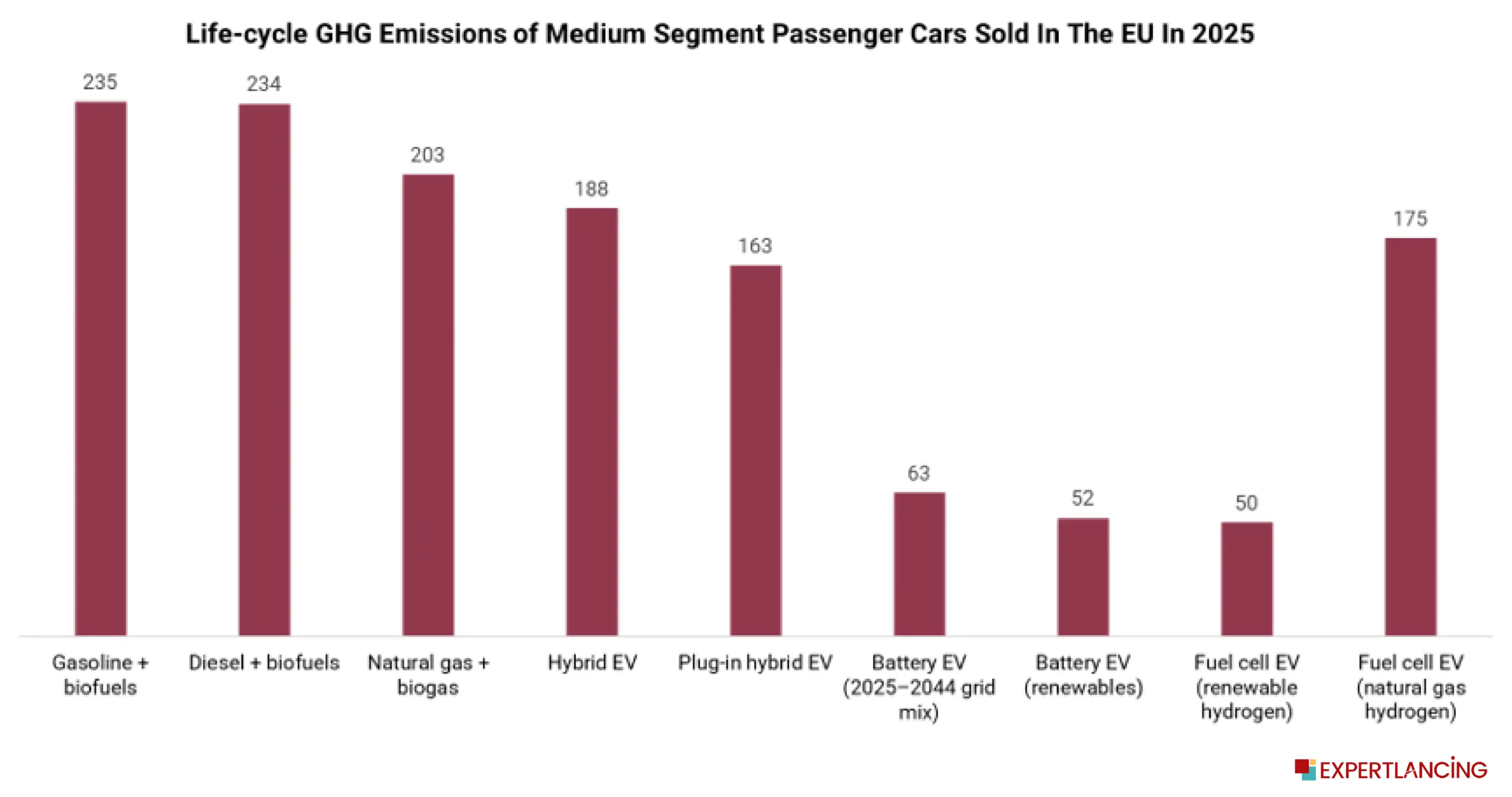
The environmental case for electric vehicles collapses when the electricity grid behind them runs on coal, and nobody tracks the net emission impact after the vehicle is sold. In India, coal generates over 70% of electricity. An EV plugged into this grid does not eliminate emissions. It moves them from the tailpipe to the thermal power station. Without monitoring the grid-to-wheel emission chain, the claim that “EVs are clean” goes unverified and, in coal-heavy markets, largely untrue.
The manufacturing problem deepens this debt. Producing a new EV generates roughly 80% more emissions than manufacturing a conventional petrol engine, driven by the energy required to mine and process lithium, cobalt, and nickel. An EV must travel between 8,400 and 13,500 miles before it breaks even with a petrol car on cumulative emissions on a relatively clean grid; on a coal-heavy grid like India’s, the break-even point is much further out. If no one is measuring this, no one is managing it.
The Mitigation
Instead, a practical sustainability strategy does not abandon EVs. It tracks what matters and invests where it counts. Governments should mandate grid-emission-weighted lifecycle reporting for every EV sold, not just tailpipe zeros, but real-world emissions based on the actual grid mix in the region where the vehicle operates.
India’s National Electricity Plan projects 500 GW of renewable capacity by 2030. The smart strategy is to co-locate renewable generation with EV charging infrastructure, invest in vehicle-to-grid (V2G) systems that turn EV batteries into distributed storage, and establish continuous monitoring dashboards that track the real-time carbon intensity of EV charging across states and cities.
A fleet of 10,000 EVs with 60 kWh batteries could provide 600 megawatt-hours of distributed storage capacity, a meaningful grid buffer during peak demand. By contrast, Norway, where 95% of electricity comes from hydropower, proves that EVs deliver deep emission cuts when the grid is clean. The vehicle is not the problem. The unmonitored system behind it is.
My analyst view: Every rupee spent on EV subsidies in a coal-heavy state without a parallel grid decarbonisation plan is partially wasted. Organisations that integrate EV deployment data with real-time grid decarbonisation monitoring can build a sustainability strategy around verified emission reductions, not registration numbers alone. The rest will have spreadsheets full of EV registrations and no meaningful emission reduction to show for it.
Renewable Energy: Capacity Without Reliability Monitoring Is a Risk
The Risk
Solar and wind energy have become cost-competitive with fossil fuels in many markets. That is genuine progress. But installing capacity without monitoring reliability creates a dangerous illusion of energy security.
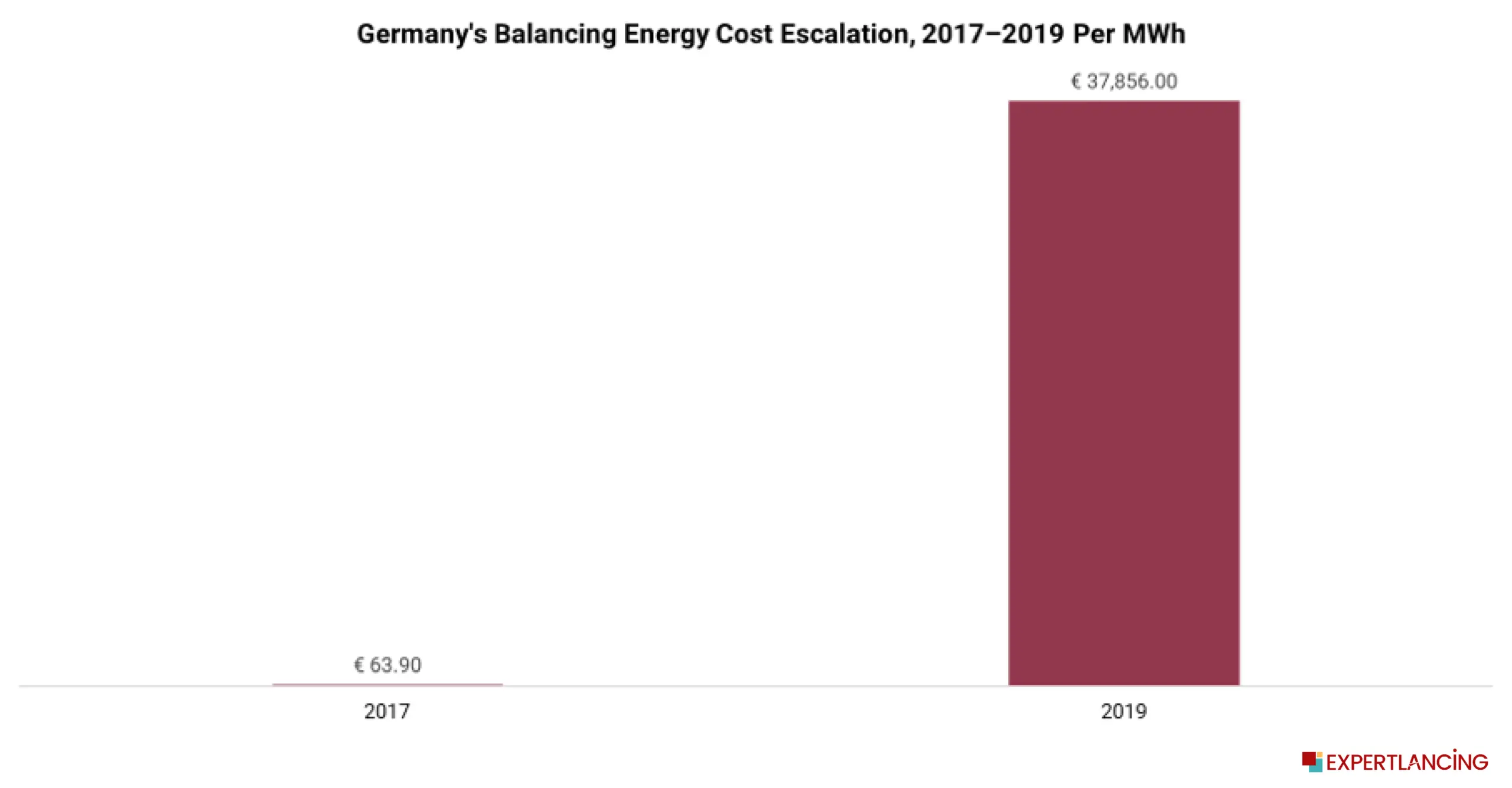
Renewable energy is intermittent. Solar panels produce nothing after sunset. Wind turbines go idle on calm days. For example, Germany generated 46.9% of its electricity from renewables in 2022. Yet the grid nearly buckled under stress in 2019 because nobody had invested proportionally in flexibility. The cost of balancing energy emergency purchases to stabilise the grid rocketed from €64 in 2017 to €37,856 in 2019. This was not a failure of renewable technology. It was a failure of monitoring and planning for the variability that renewables inherently bring.
California mirrors this pattern. Over 36 gigawatts of solar capacity are installed. Renewables met demand for portions of 132 days in 2024. Yet natural gas still supplied 36% of the state’s electricity in 2022, especially during summer evenings when solar drops but air conditioning peaks. During the August 2020 heatwave, the California Independent System Operator shed nearly 1,500 megawatts of load over two consecutive days despite record solar output earlier that same day. The generation was there. The system to monitor, store, and dispatch it was not.
The IEA projects global electricity demand to grow by 3.4% annually through 2026. Renewables can cover this growth, but only if the system behind them is monitored and managed in real time.
The Mitigation
However, California also offers a recovery playbook. After the 2020 crisis, the state invested aggressively in battery storage. By 2024, California achieved a record battery output of 7,528 MW. That is the difference between installing renewables and operating a renewable energy system.
The mitigation strategy is clear: invest in grid flexibility storage, demand response, smart grids, and regional interconnections alongside generation capacity. Install continuous monitoring systems that track real-time supply-demand balance, forecast renewable output variability, and trigger demand response protocols before shortages occur. India’s energy planners should mandate storage procurement alongside every large-scale solar and wind tender. Gigawatts without monitoring infrastructure are megawatts waiting to be wasted.
A resilient sustainability strategy must measure renewable energy by its reliability and availability, not simply by installed capacity.
As an analyst, I will state this directly: the industry’s obsession with capacity addition metrics, “We installed X GW this year,” is a dangerous distraction from the real question: “How much of that capacity was available when it was needed, and how do we know?” Until grid operators, regulators, and investors start asking this question and building the monitoring systems to answer it, renewable energy will keep swinging between record-breaking press releases and embarrassing grid emergencies.
Bioplastics: Green Labels Without Lifecycle Monitoring Are Greenwashing
The Risk
Bioplastics are marketed as the clean alternative to petroleum-based plastics. The packaging industry and consumer brands have embraced them enthusiastically. But without monitoring the full lifecycle from feedstock cultivation to end-of-life disposal, bioplastics can cause as much environmental damage as the materials they replace.
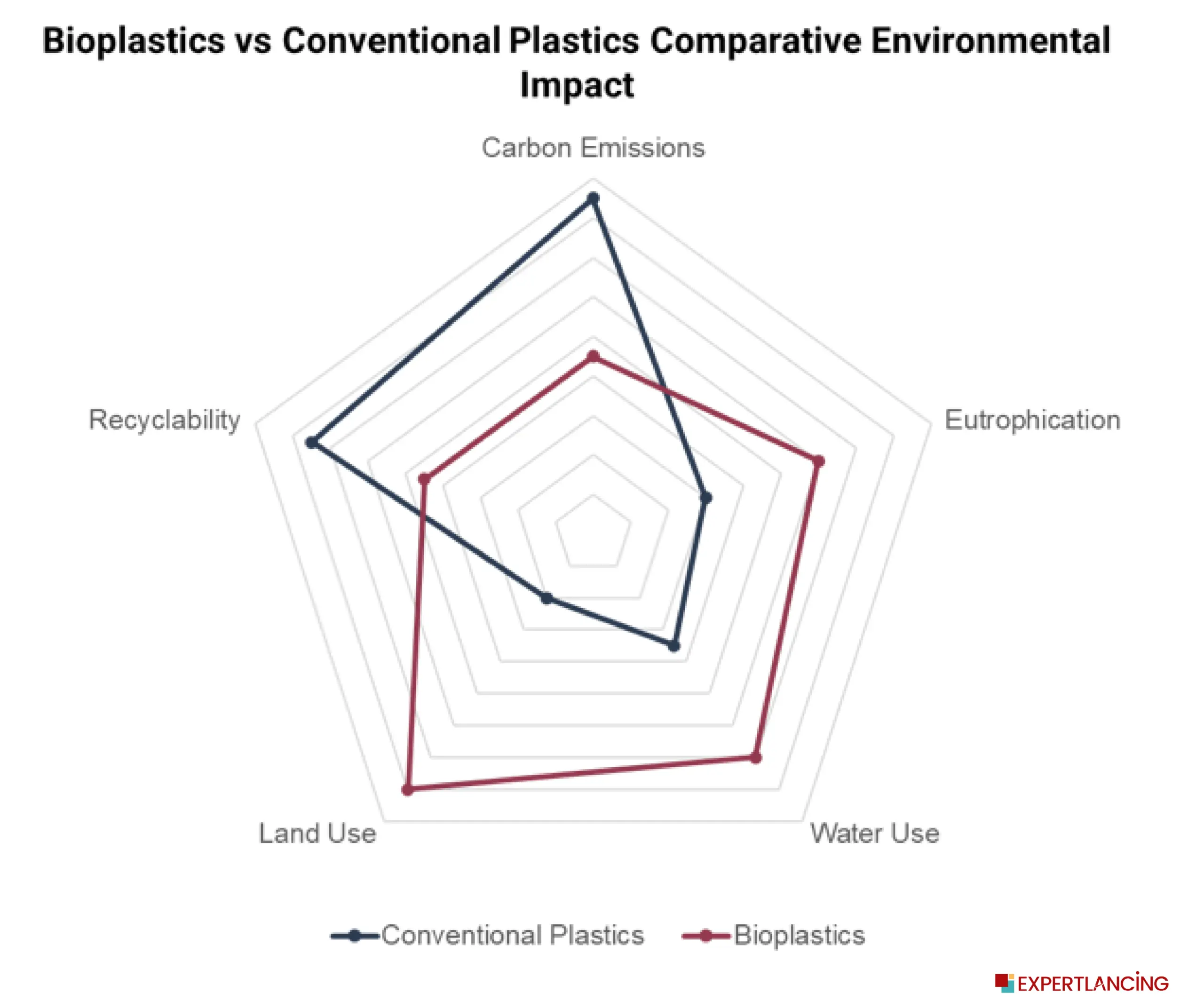
Global bioplastics production capacity stood at 2.2 million tonnes in 2022, less than 1% of total plastics production. That small share already consumes approximately 0.8 million hectares of arable land.
However, production capacity alone does not tell the full story. Life cycle assessments show that while bioplastics can reduce carbon emissions versus petroleum plastics, they often increase eutrophication and acidification due to intensive agricultural inputs, fertilisers, pesticides, and water required for feedstock cultivation. Polylactic acid (PLA), the most widely used bioplastic, demands significant corn cultivation. If no one monitors the upstream agricultural impact, the carbon saved in manufacturing is lost in the field.
The end-of-life problem is equally damaging when unmonitored. Most bioplastics require industrial composting facilities to break down. They do not degrade in landfills, oceans, or home compost bins. They cannot enter standard plastic recycling streams.
In India, where waste segregation and composting infrastructure remain underdeveloped, bioplastics overwhelmingly end up in the same landfill as conventional plastic, delivering zero environmental benefit at the point that matters most. A company that reports “30% of our packaging is now bioplastic” without monitoring what happens to that packaging after sale is reporting an input metric, not an outcome. And in sustainability, only outcomes count.
The Mitigation
An effective sustainability strategy evaluates bioplastics across their full lifecycle, from feedstock cultivation to verified end-of-life outcomes.
First, shift feedstocks. Algae, agricultural residues, forest waste, and mycelium-based materials can replace corn and sugarcane as bioplastic inputs, reducing land use competition, water consumption, and fertiliser-driven pollution. These alternatives are commercially available today on a small scale. They need policy support and procurement commitment to grow.
Second, invest in end-of-life infrastructure. Any company deploying bioplastics in India must simultaneously invest in or advocate for industrial composting facilities in the markets where those products are sold. A bioplastic strategy without a composting infrastructure strategy is half a plan.
Finally, ensure these interventions are measured through full lifecycle monitoring. Suppliers should be required to provide cradle-to-grave data on land use, water consumption, fertiliser inputs, transport emissions, and verified end-of-life outcomes. Companies should track not just “percentage of bioplastic used” but “percentage of bioplastic that reached its intended end-of-life pathway.” That is the metric that reveals whether your sustainability investment is working or wasted.
What This Means For You: If you are a packaging strategy head or procurement director, stop measuring bioplastic adoption by volume purchased. Start measuring it by verified end-of-life outcomes.
Commission geography-specific lifecycle assessments for every market where your bioplastic packaging is sold. A bioplastic that performs well in the Netherlands, where industrial composting is widespread, may deliver zero benefit in Maharashtra, India, where it is not. Without continuous lifecycle monitoring, even a well-intentioned sustainability strategy can lead to investments that deliver little environmental benefit. With it, you build a defensible, measurable competitive advantage that regulators and investors will increasingly reward.
Critical Minerals: Extraction Without Oversight Undermines the Entire Transition
The Risk
The batteries powering EVs and grid-scale storage depend on lithium, cobalt, nickel, and rare earth elements. Without monitoring how and where these materials are extracted, the green transition builds its foundation on environmental destruction and human exploitation.
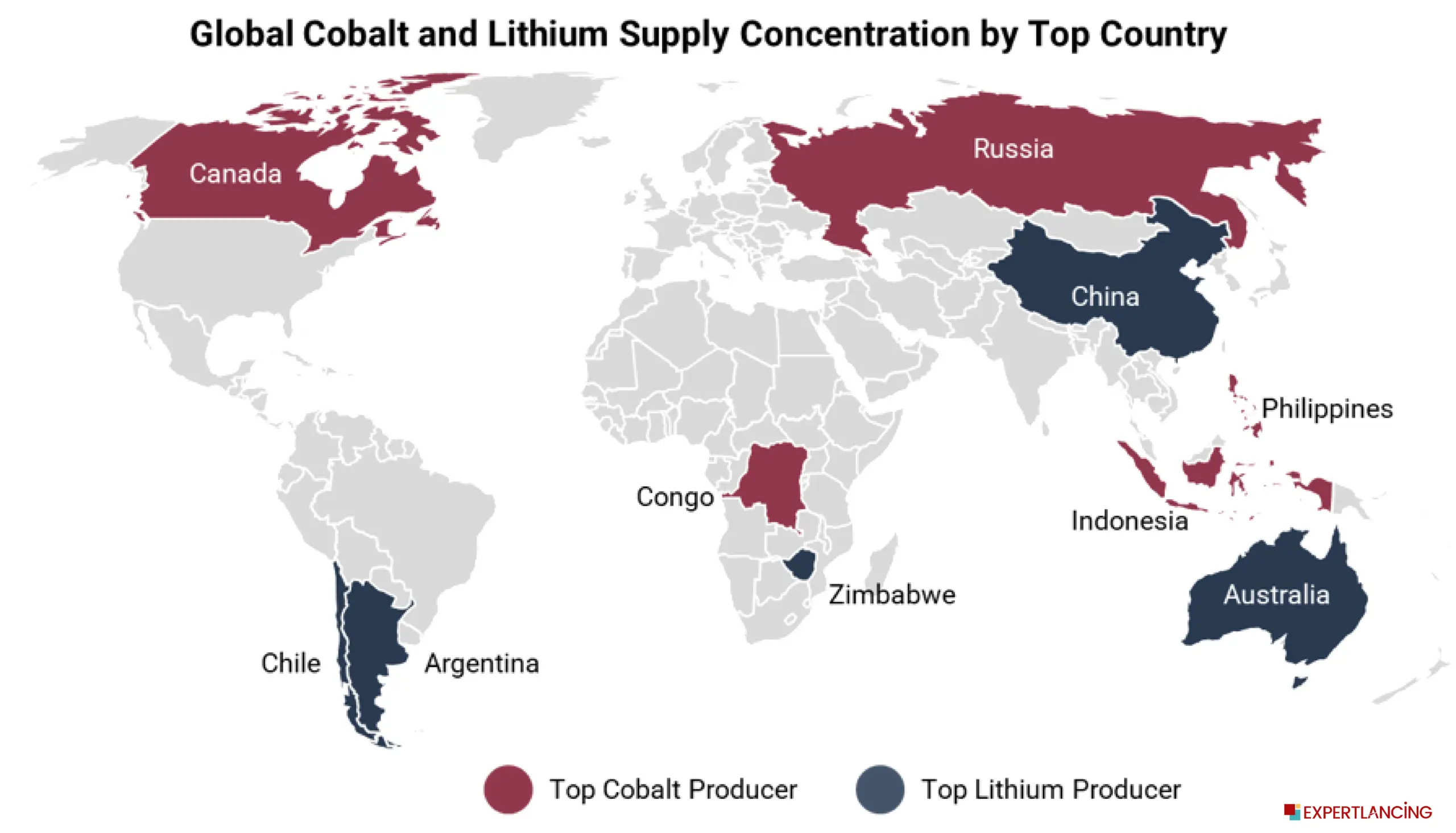
Extracting one tonne of lithium requires approximately 500,000 gallons of water, devastating arid regions like South America’s Lithium Triangle spanning Chile, Argentina, and Bolivia, where over half the world’s lithium reserves sit. In Chile’s Atacama Desert, lithium mining has depleted aquifers, threatening local agriculture and indigenous communities. In China, leaks from lithium processing along the Liqi River have killed fish and livestock downstream.
Cobalt tells an even darker story. The Democratic Republic of Congo supplies over 70% of global cobalt, much of it mined under conditions involving child labour, unsafe tunnels, and toxic exposure. Battery production itself contributes heavily to emissions 40% of its climate impact comes from mining and processing, particularly where coal dominates the electricity mix.
The IEA projects demand for critical minerals could outstrip sustainable supply by 2030, creating strategic vulnerabilities for the entire clean energy value chain. Without supply chain monitoring, every EV battery and every grid-scale storage unit carries an invisible cost borne by communities and ecosystems that never consented to pay it.
Also Read: Grid-Scale Battery Energy Storage: Why Storage Is Becoming a Core Infrastructure Asset
The Mitigation
The industry is beginning to respond, but the pace must accelerate.
The European Union has mandated that by 2027, 50% of lithium from end-of-life batteries must be recovered. Companies like Redwood Materials in the US and Li-Cycle in Canada are scaling commercial battery recycling that recovers over 95% of critical metals. This is not theoretical. It is operational today.
The mitigation framework has three pillars.
- First, build circular material flows. Every battery sold should be tracked through its lifecycle from manufacturing to use to recycling. Digital battery passports, now mandated under the EU Battery Directive, are the monitoring tool that makes this possible.
- Second, diversify sourcing. The EU’s Critical Raw Materials Act (2023) provides a framework for reducing dependence on single-country extraction. India, heavily dependent on imported lithium and cobalt, should adopt a similar strategy combining domestic exploration, recycling mandates, and bilateral sourcing agreements.
- Third, enforce supply chain transparency. Companies must require and verify ethical sourcing certifications from mineral suppliers and disclose these audits publicly. Blockchain-based mineral tracking, already piloted by companies like Circulor and IBM, enables real-time monitoring of origin, processing, and labour conditions.
For critical minerals, a credible sustainability strategy must connect recycling, diversified sourcing, and verified supplier practices across the value chain.
My Analyst View: Ultimately, we have not yet decarbonised in a way that is consistent with the values the green transition claims to represent. That is a problem, but it is a fixable problem. The companies and governments that build end-to-end supply chain monitoring for critical minerals will reduce both the ethical risk and the strategic risk of supply chain concentration. Those that do not will eventually face regulatory penalties, investor scrutiny, and reputational damage that no sustainability report can paper over. Monitoring is not optional. It is the mechanism that turns good intentions into verified outcomes.
Food Versus Fuel: An Unmonitored Trade-Off With Human Consequences
The Risk
Bio-based fuels and materials directly compete with food production for land and crop output. When this trade-off goes unmonitored, the poorest populations pay the price for the sustainability ambitions of the wealthiest.
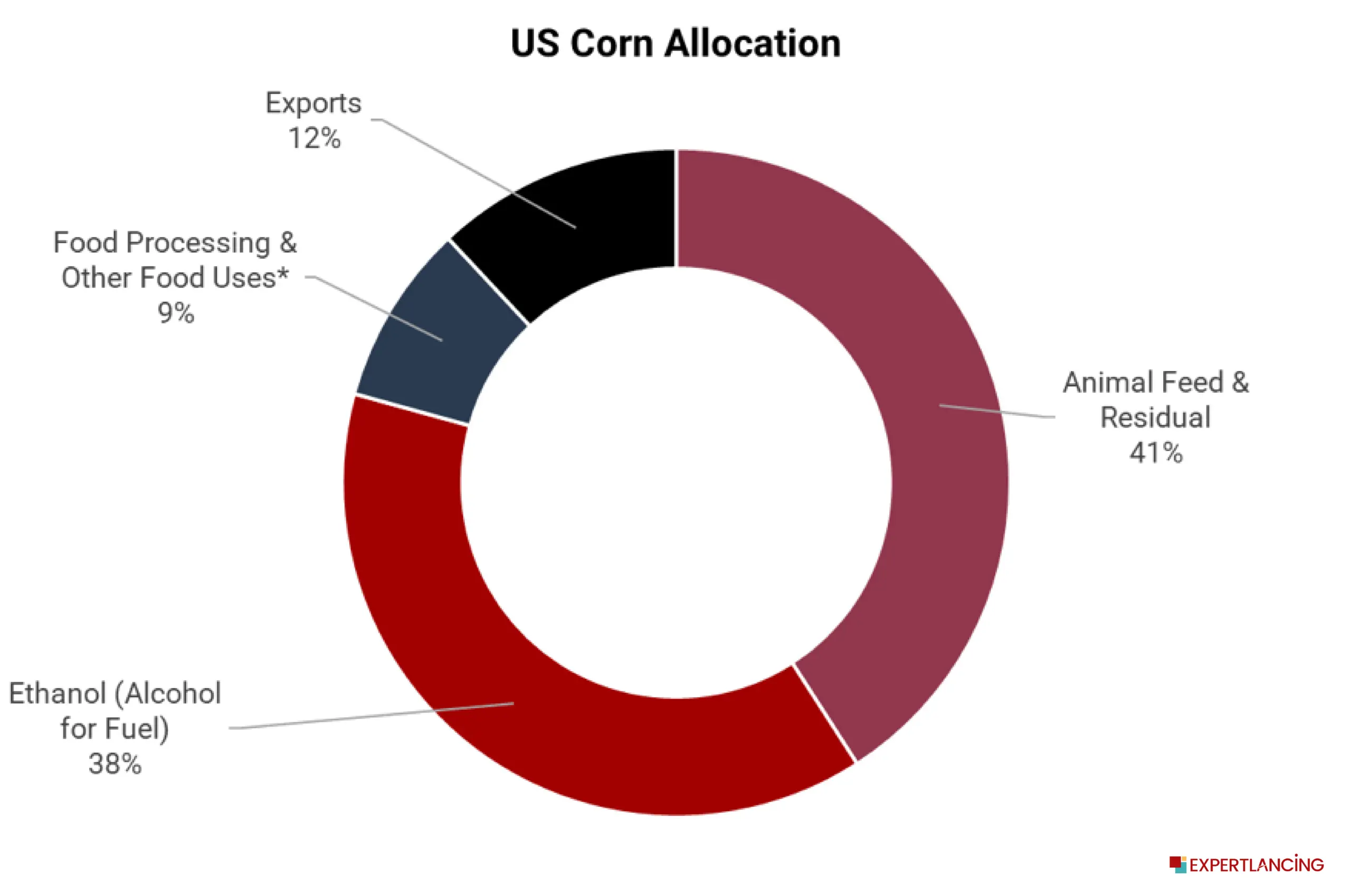
In the United States, 37% of the entire corn crop is diverted to ethanol production. During the 2007–2008 global food price crisis, research attributed 20%–40% of the price spikes to biofuel mandates.
Globally, 8% of cropland is used for biofuel production (Source: OFI Magazine, Only 8% of Global Crop Land Used for Biofuels, 2022). In Europe, the land currently used for biofuels could feed 120 million people daily. In 2022, over 820 million people globally remained food insecure.
Without monitoring the food-system impact of biofuel and biomaterial policies, governments are inadvertently subsidising fuel for affluent consumers at the expense of food security for the poorest. Ethanol may cut tailpipe emissions in Texas, but it contributes to higher maize prices in East Africa. That trade-off is invisible when no one tracks it.
The Mitigation
The mitigation is twofold: shift feedstocks and monitor impact continuously.
Second and third-generation biofuels derived from agricultural waste, forestry residues, algae, and non-food crops grown on marginal land produce energy outputs without competing with food systems. Brazil’s sugarcane ethanol programme, despite its imperfections, has demonstrated that biofuel and food production can coexist when managed with land-use monitoring and policy guardrails.
Governments should mandate food-security impact assessments for every biofuel and biomaterial policy tracked annually, not at inception alone. Land-use monitoring systems, using satellite data and crop-allocation databases, can flag when biofuel expansion encroaches on food-crop land in real time.
Monitor Feedstock Sourcing and Food Security
A responsible sustainability strategy must account for food security alongside emissions reductions, particularly when biofuel production competes with food crops for land.
Companies sourcing bio-based materials should require certified non-food-competing feedstock from suppliers and audit these certifications regularly. The International Renewable Energy Agency estimates global bioenergy demand could reach 300 exajoules per year by 2050, while sustainable biomass availability is approximately 100 exajoules annually (Source: IRENA, Bioenergy for the Energy Transition). This gap can only be managed, not wished away, through continuous monitoring and intelligent feedstock diversification.
The Gaps Nobody Is Monitoring
The Demand Side Blind Spot
Most sustainability programmes focus on the supply side, cleaner energy, greener materials, and better recycling. However, almost no one is monitoring the demand side. High-income economies continue to increase per capita consumption of energy, materials, and products. The global push for EVs does not question whether the world needs 1.4 billion personal vehicles. It simply asks how to power them differently. Without monitoring absolute consumption levels alongside relative efficiency gains, the sustainability movement risks running faster on a treadmill. It risks expending effort without actually moving forward.
The mitigation: Right-to-repair legislation, product longevity standards, shared-use models, and absolute consumption targets must become measurable elements of every sustainability strategy, not afterthoughts.
The Scope 3 Reporting Gap
Corporate ESG reporting remains dangerously incomplete. Companies often highlight reductions in Scope 1 and 2 emissions. However, Scope 3 emissions, which cover the full supply chain and product lifecycle, remain loosely estimated and poorly audited. A 2023 analysis by Bain & Company found that fewer than 30% of companies with net-zero pledges had credible, science-based transition plans covering their full value chain. Over 70% are making public promises they cannot measure and have no verified plan to keep. Without third-party audited Scope 3 monitoring, corporate net-zero pledges carry the same credibility as a financial statement without an auditor’s signature.
The mitigation: Regulators must mandate independently audited Scope 3 reporting with standardised methodologies. Companies that move first to build transparent, auditable Scope 3 monitoring and publish verified data rather than estimates will earn disproportionate trust from investors, regulators, and consumers. The EU’s Corporate Sustainability Reporting Directive is moving in this direction. India should follow.
The Technology Timeline Assumption
There is a dangerous assumption embedded in most green transition roadmaps: that promising technologies will scale on time. Green hydrogen, cellulosic biofuels, direct air capture, and sodium-ion batteries are all real, and all are promising. But the IRENA estimates that global bioenergy demand alone could reach 300 exajoules per year by 2050, while sustainable feedstock availability sits at 100 exajoules annually (Source: IRENA, Bioenergy for the Energy Transition). Without monitoring technology readiness levels, commercial scaling timelines, and feedstock availability in real time, policymakers risk building decarbonisation plans on foundations that do not yet exist.
The mitigation: Governments and corporations should establish technology readiness monitoring dashboards that track not just R&D milestones but commercial deployment rates, cost curves, and supply chain readiness updated quarterly, not annually. Betting on technology without tracking its actual progress is not a strategy. It is hope dressed up as planning.
Strategic Priorities: Building the Monitoring Architecture for Real Sustainability
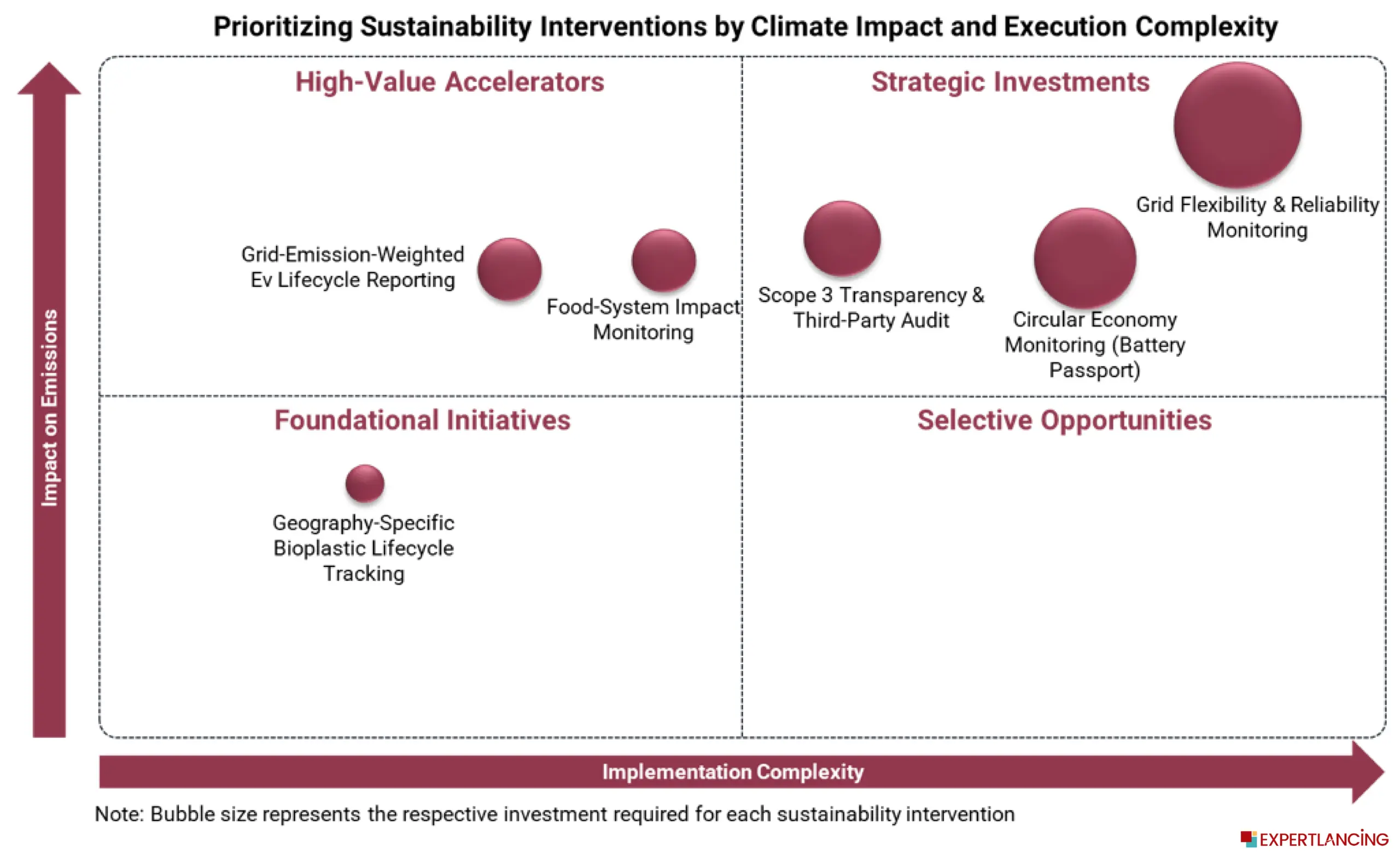
Sustainability is a never-ending process. And a process without monitoring is a process without accountability. The following priorities reflect what I believe separates organisations that will achieve genuine progress. Others may produce impressive reports but deliver negligible outcomes.
- Grid-emission-weighted EV lifecycle reporting. Every EV programme should be tracked not by vehicles sold but by verified emissions avoided, measured against the actual grid mix where each vehicle operates. This requires state-level, real-time grid carbon intensity data and standardised lifecycle accounting methods. India’s Bureau of Energy Efficiency is positioned to mandate this.
- Circular economy monitoring for critical materials. Every battery should carry a digital passport tracking its lifecycle from manufacturing through use to recycling. The EU Battery Directive sets the benchmark. India must build an equivalent framework combining recycling mandates, digital tracking, and mandatory supplier audits for ethical sourcing.
- Geography-specific bioplastic lifecycle tracking. Companies must monitor not just how much bioplastic they purchase but what percentage reaches its intended end-of-life pathway in each market. National-level composting infrastructure mapping, tracked and updated annually, should inform material strategy decisions.
- Grid flexibility and reliability monitoring. Renewable energy investment should be measured by more than installed capacity. It should also account for availability during peak demand, storage-to-generation ratios, and grid stability indices. India should mandate continuous grid reliability dashboards accessible to regulators, investors, and the public.
- Food-system impact monitoring for bio-based policies. Every biofuel and biomaterial mandate should carry an annual food-security impact assessment monitored using satellite land-use data, crop-price tracking, and food access indicators.
- Scope 3 transparency with a third-party audit. The 70% of companies making net-zero pledges without credible Scope 3 plans must be brought into accountability. Mandatory, independently audited Scope 3 reporting phased in over 3 years should be the regulatory direction for India, following the EU’s lead.
Where This Goes From Here: Monitor or Fail
Sustainability is a never-ending process, and the single factor that will separate success from failure in the next decade is monitoring, not intention, not an investment, not technology. The risks are clear: EVs on coal grids deliver a fractional benefit when no one tracks grid-to-wheel emissions.
Renewables installed without storage and flexibility monitoring create grid instability. Bioplastics without end-of-life tracking end up in landfills. Critical minerals extracted without supply chain oversight carry environmental destruction and human exploitation. Biofuel mandates without food-security impact assessment cause harm to the world’s most vulnerable populations. Corporate net-zero pledges without audited Scope 3 reporting are unverifiable promises.
Every one of these risks has a mitigation. Every mitigation requires continuous monitoring. I take a firm position: The organisations that will define the next era of sustainability in energy, in materials, in consumer goods, and in food systems are not those making the loudest commitments.
They are those building the monitoring infrastructure to verify, measure, and course-correct those commitments in real time. The technology exists. The data exists. The frameworks exist. What has been missing is the discipline to implement them. It also takes the honesty to publish the results, including when they are uncomfortable.
The strongest sustainability strategy is not the one with the most ambitious targets, but the one that continuously measures outcomes, identifies gaps, and adjusts its approach based on evidence.
Sustainability without monitoring is a story. Sustainability with monitoring is a strategy. The companies and governments that understand this difference will shape the transition. The rest will be left explaining why their promises did not translate into outcomes. That reckoning is not distant. It is already underway.
The Difference Between Promising Sustainability and Proving It
Understanding the technologies and industry developments shaping this transition requires a clear view of emerging innovations, competitive landscapes, and market trends. Expertlancing supports organisations with IP research, technology advisory, and market intelligence, helping them assess technology developments and make informed strategic decisions across industries.
With a team of IP researchers, technical experts, and domain specialists, Expertlancing brings together expertise across multiple technology and industry domains.
Looking to understand the technologies and market developments shaping the sustainability transition? Connect with our experts to discuss your requirements.
About The Author