

Sustainable growth depends on material decisions that align with performance, responsibility, and long term business direction. We help organisations identify greener material options with greater clarity so sustainability goals can translate into informed commercial action.
Sustainability becomes more meaningful when material decisions are guided by more than intent alone. The right choices must align with product needs, environmental priorities, and the direction the business is trying to build.
We believe green material scouting should do more than surface alternatives. It should reveal which materials align with sustainability goals, where practical substitution is possible, and which options deserve serious strategic consideration.
This is where the service creates value. It helps organisations focus on material pathways backed by stronger relevance, clearer sustainability alignment, and better fit with future growth priorities.
We identify material categories and alternatives relevant to the product, application, or sourcing context. This creates a structured starting point for evaluating greener options. The process focuses on materials that align with the direction of the requirement.

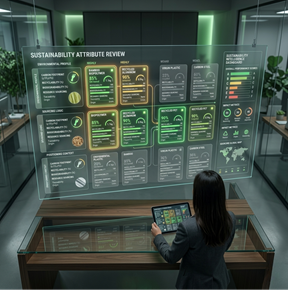
We examine the sustainability characteristics associated with each material option. This includes reviewing factors related to environmental profile, sourcing logic, and material positioning. The review helps organise options through a sustainability lens.
We assess how alternative materials relate to the intended application, product use, and operational context. This helps determine which options are relevant to the actual requirement. The process keeps scouting grounded in practical use conditions.


We analyse where conventional materials may be substituted with greener alternatives across the relevant use case. This includes reviewing compatibility, material role, and replacement logic. The analysis helps define where substitution deserves closer evaluation.
We scan the market for emerging materials, supplier activity, and innovation movement within the relevant space. This helps identify options that are gaining visibility across sustainable material ecosystems. The process builds a broader view of available alternatives.


We compare shortlisted materials against sustainability intent, product relevance, and business context. This creates a more focused basis for identifying which options merit further attention. The process supports more disciplined material selection.
Material options relevant to the product, application, and sourcing context are mapped before material decisions are committed.
How each material option relates to defined environmental priorities and sustainability intent is assessed before shortlisting begins.
Which alternatives are practically relevant to the intended product use and operational context is documented before deeper evaluation begins.
Where conventional materials can be replaced with greener alternatives across the relevant use case is identified before development decisions are made.
New materials and supplier activity gaining visibility across sustainable material ecosystems are surfaced before they become widely recognised.
Shortlisted options are compared against sustainability intent and business context so attention is directed toward the alternatives that matter most.
When conventional materials need to be reviewed against greener alternatives.
When product decisions require early visibility into more sustainable material options.
When sourcing strategies need material choices aligned with sustainability intent.
When teams need to understand which emerging materials deserve strategic attention.